
Strength training equipment · Made in Canada since 1982

Blog

Strength‑First on Campus: What the Modern University Recreation Center Really Needs

September 9, 2025

Strength training is driving campus fitness. If you’re planning or upgrading a university recreation center, focus first on strength equipment that supports progressive training: power racks, lifting platforms, plate‑loaded machines, and a functional turf zone. This guide shows you what to install, how to lay it out, and how to keep flow smooth during peak hours. 

Why Strength Training Belongs at the Center of Your University Gym

Students want measurable progress and a sense of community. A strength‑forward university gym delivers both while improving safety and throughput when the floor gets busy.

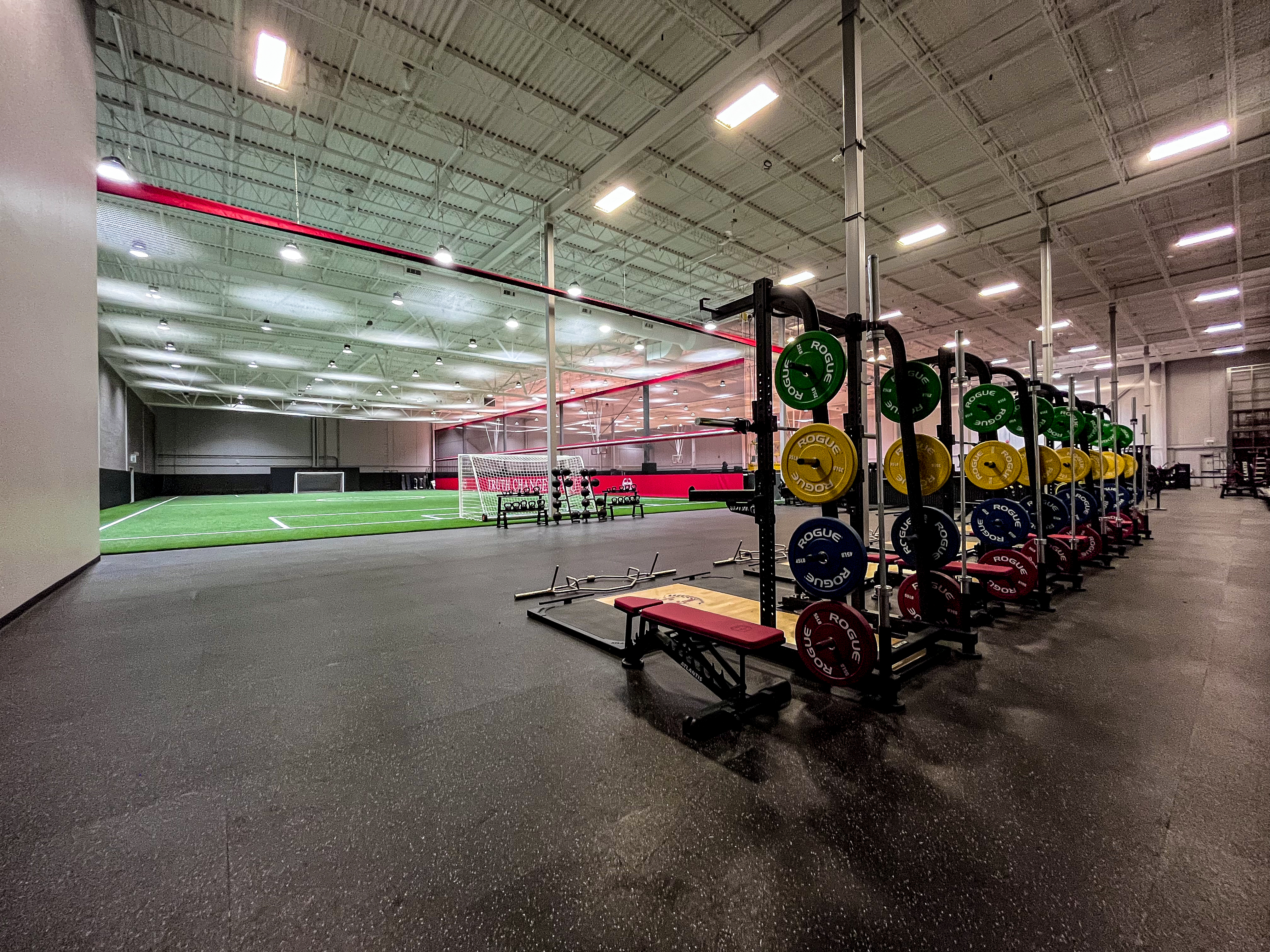
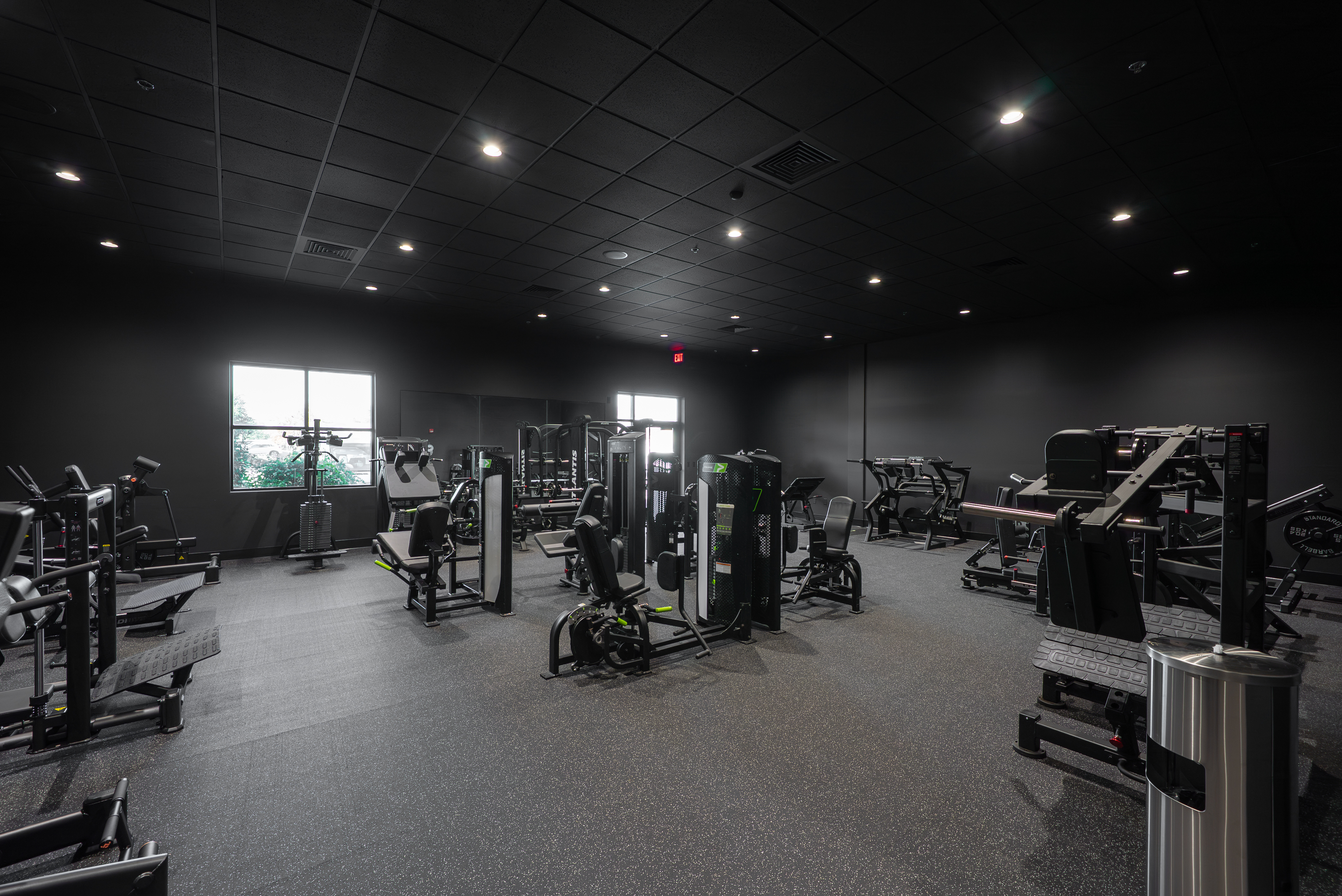
Core Strength Zones for a University Recreation Center

Free‑Weight Section:

  • Half racks & platforms
  • Rows of dumbbells
  • Kettlebells & EZ curve barbells
  • Specialty bars (safety squat, trap/hex, cambered, football).

Olympic Lifting Bay:

  • Platforms
  • technique bars
  • Bumpers
  • Jerk blocks for clean & jerk and snatch work

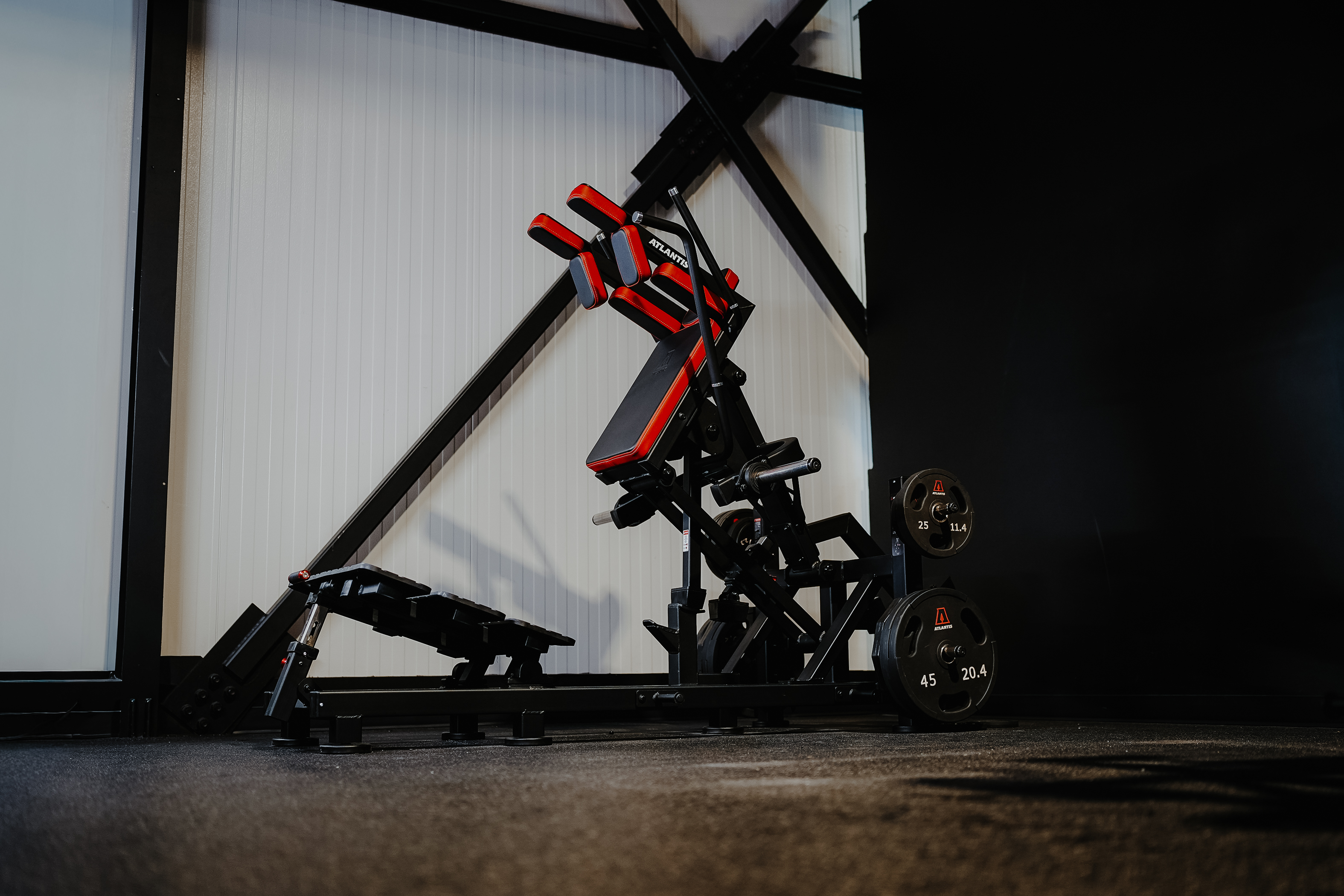
Plate‑Loaded Lower Body:

Plate‑Loaded Upper Body:

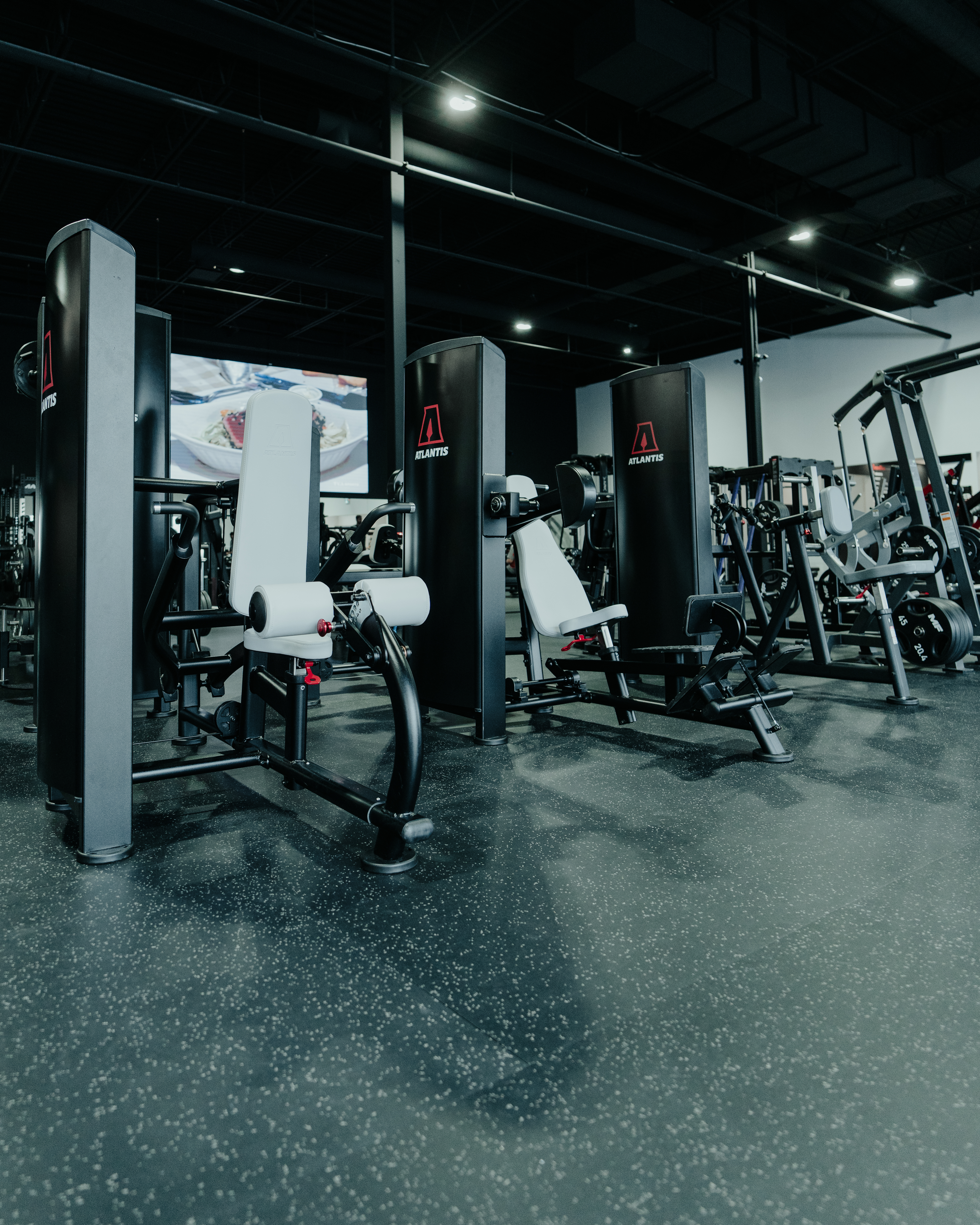
Selectorized Line:

Functional Turf Zone:

  • 20–30 yards with sleds
  • farmer’s handles
  • Landmines
  • Sandbags
  • Med balls and battle ropes

Accessory Corner:

Conditioning That Supports Strength

Rowers, air bikes, and curved treadmills cover warm‑ups and intervals without stealing space from the strength floor.

Recovery, Safety, and Accessibility

Mobility bay, defined stretch zone, and, where budget allows, sauna/cold plunge. Add QR codes for equipment How‑To’s, staff during peak hours, ADA‑compliant pathways, and clear noise/drop policies.

Layout Tips for Peak Hours

Racks in a central “spine,” selectorized in a clean line, turf on a perimeter. Plan for 2–3 lifters per rack, roughly 1 rack per 75–100 peak lifters, and 1 platform per 6–8 rack stations when Olympic lifting is popular. Provide storage at every zone and a maintenance schedule for high‑touch items

Strength That Builds Community

A university gym should do more than hold equipment; it should create a culture of strength, safety, and community. When racks, platforms, and recovery spaces are thoughtfully planned, students don’t just train, they thrive.

Want to make your recreation center a hub for progress? Talk to a university facility expert today. 

Blog
Keep reading

March 31, 2026 Gym Equipment Certifications: What They Are and Why They Matter With 409,224 exercise equipment injuries reported by the National Safety Council in 2021 alone, the difference between certified and uncertified gym equipment is a safety and liability decision that affects every commercial facility. Here’s what gym equipment certifications actually cover, which standards matter for your market, and how to find and verify the right gym equipment before you buy. Read March 31, 2026 Gym Equipment Financing for Canadian Gym Owners Opening or growing a gym means investing heavily in commercial gym equipment, and most owners can’t cover that cost upfront without straining their cash flow. Gym equipment financing lets you spread that investment over time using structured payment plans, keeping capital available for the expenses that keep your business running. For customers building or growing a commercial gym and fitness training facility, selecting the right financing method can save you thousands over the life of your agreement. This guide breaks down the main financing options available in Canada, what it takes to qualify, how much it really costs, and how to choose the right path for your facility. Read March 16, 2026 The Atlantis Power Squat: Where Strength, Hypertrophy, and Joint Longevity Meet The debate between free weights and machines has always missed the point. The real question is not which tool is better , but which tool allows the legs to produce the most force, for the longest time, with the least cost to the body . That is where the Atlantis Power Squat separates itself from every other squat machine. It is not a leg press. It is not a hack squat. It is a guided squat pattern that allows the hips and knees to move naturally while removing the instability and spinal compression that often limit progress. For bodybuilders, this means deeper muscle stimulation and safer overload. For athletes, it means higher force output without sacrificing performance. For anyone training long-term, it means building legs that are not just strong, but durable. Read

Planning a gym?

Get a quote

Get a quote