

-
Resources
Resources
-
The Atlantis DNA
The Atlantis DNA
Resources
The Atlantis DNA
Blog
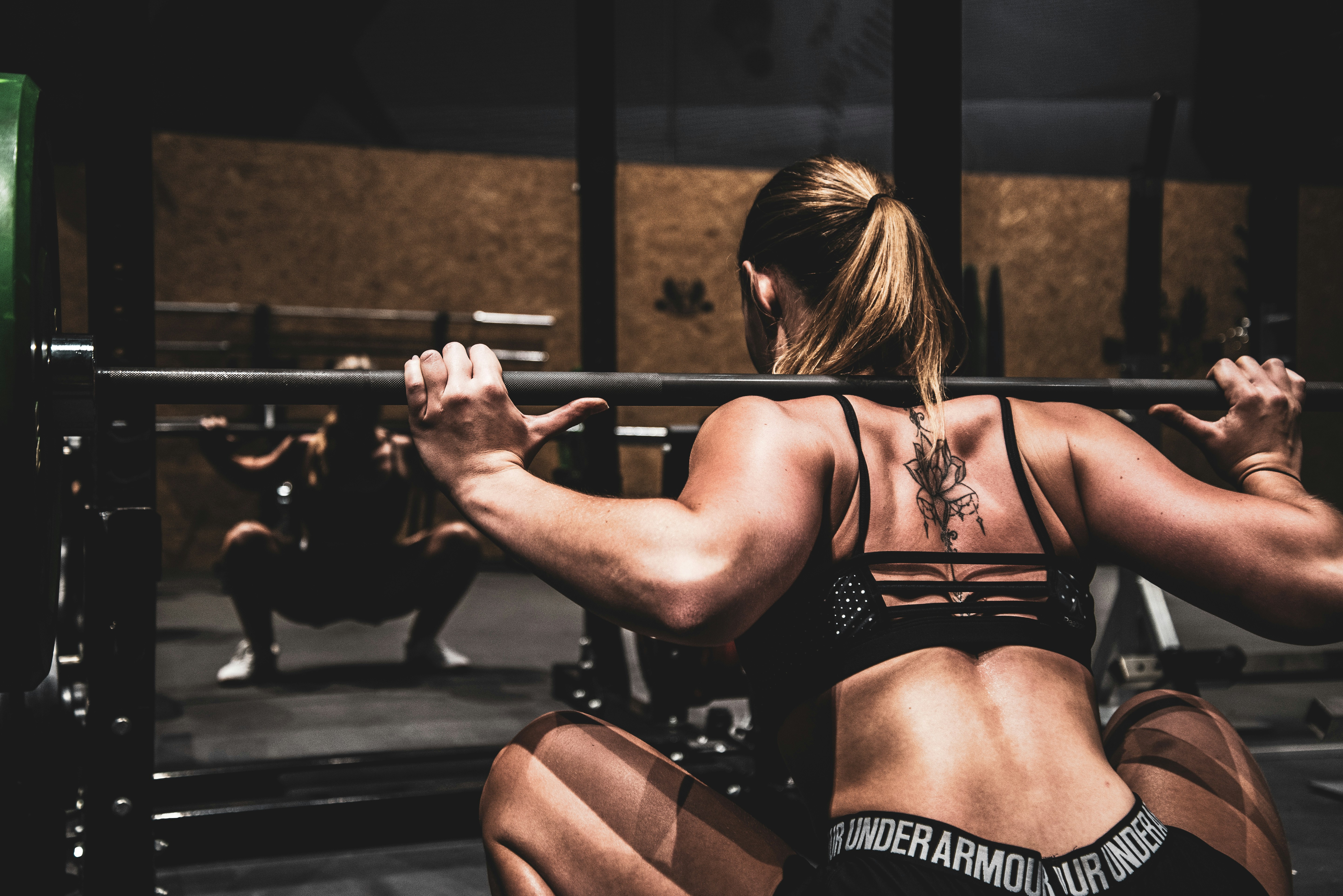
Week after week we meet lifters convinced the squat, bench press, or deadlift is “ruining” their knees, shoulders, or lower back. In reality, the culprit is rarely the exercise itself; it’s usually a subtle form breakdown that keeps funneling excessive force into vulnerable tissues, set after set.
To help you train pain-free, this article lays out a rapid check–screen–fix protocol you can complete in under five minutes at the gym. For each of the Big Three lifts, you will:
Think of this three-step loop as your five-minute insurance policy against chronic joint pain. It replaces guesswork with a repeatable process backed by research, so every session improves—not degrades—your movement quality.
Start by knowing the most common overload errors for each lift: dynamic knee valgus in the squat, over-flared elbows in the bench press, and bar drift in the deadlift. Each has been linked to heightened joint stress in recent literature—for example, a Frontiers in Physiology study showed that wide-grip, elbow-flared benches spike glenohumeral and AC-joint forces compared with a moderate-narrow grip with scapular retraction (Noteboom et al., 2024). Flagging these patterns before they turn into pain lets you intervene early.
Next, run a quick screen that turns “I think” into “I know.”
Correct-and-reload is the fastest way to rewire a motor pattern. Slot mini-band monster walks, paused close-grip benches, or trap-bar RDLs between warm-up sets, then return to your work weight. The CSEP-PATH Resource Manual highlights trap-bar and belt-squat variations for their lower spinal shear, and research from the University of Waterloo Spine Biomechanics Lab confirms that keeping the load centred—especially with a hex bar—cuts lumbar compression compared with a straight bar (McGill et al., 2014). Adjustable Atlantis machines or specialty bars lock those joint-friendly angles in place as you dial the load back up.
Make it a habit: weave this micro-routine into the first warm-up block of every training cycle. According to the CDC, just 24 % of adults meet combined strength and cardio guidelines; consistent, pain-free lifting is the surest way to stay in that committed minority (CDC, 2025). Spend the five minutes now, and you’ll spend far fewer weeks on the rehab table later.
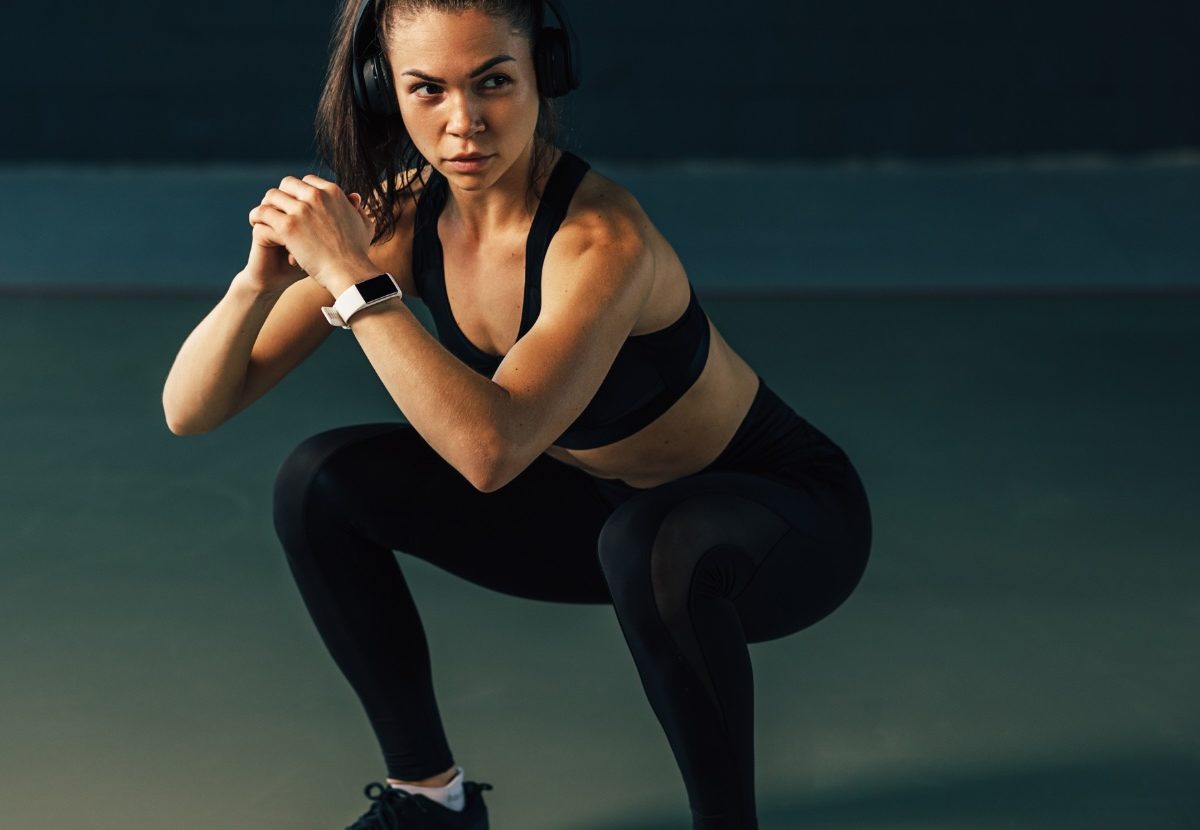
Dynamic knee valgus—knees collapsing inward on the way up. Over time it spikes MCL strain and patello-femoral pressure. A 2024 clinical commentary in the International Journal of Sports Physical Therapy showed that a medium-width stance with toes just out reduces valgus forces compared with very wide “sumo” styles (Straub & Powers, 2024).
Film five body-weight squats from the front. If mid-patella dives inside the big toe on two or more reps, you’re exhibiting dynamic knee valgus.
Mini-band monster walks (1 × 20 steps each way) activate your lateral glutes and teach the knees to track over the toes. Superset this before your warm-up sets.
Driving knee-dominant volume without axial loading helps you retrain alignment while sparing the spine and hips; the Atlantis belt-squat or pendulum squat is one example that delivers this advantage.
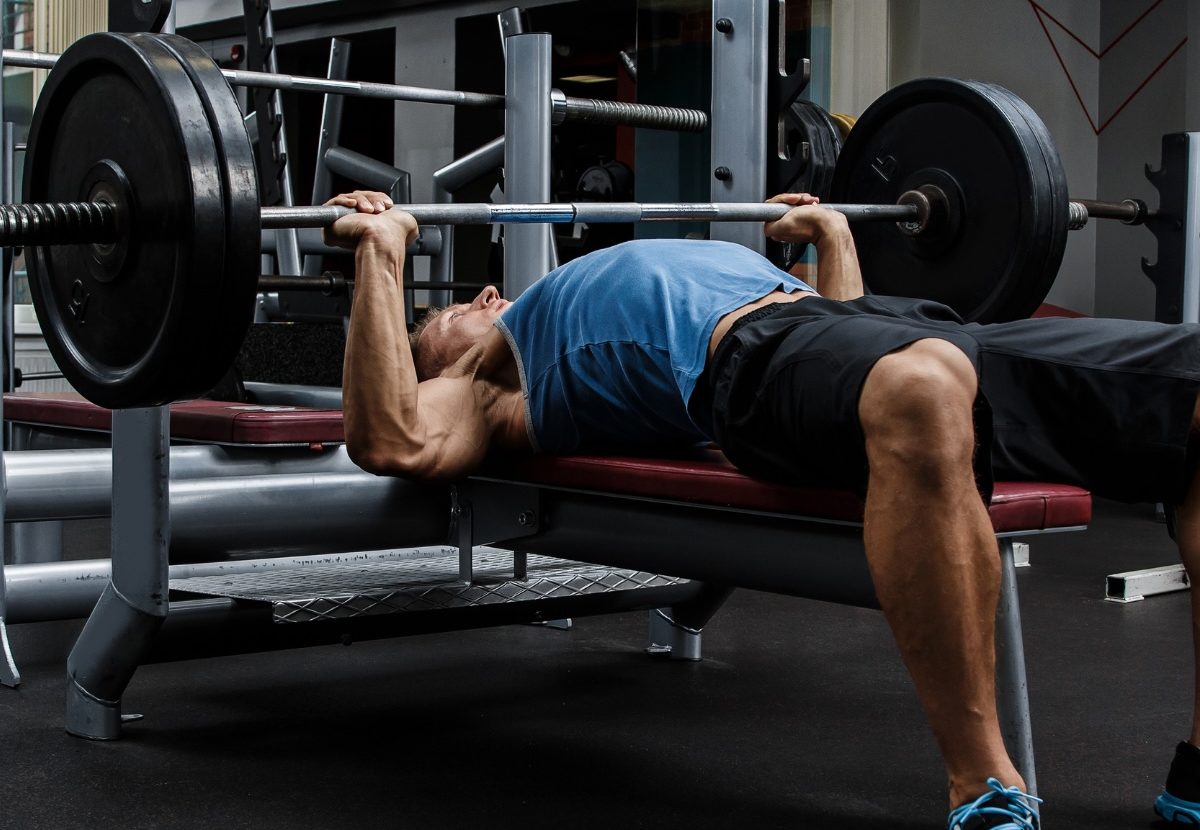
Over-flared elbows (> 80 ° abduction) jack up glenohumeral and AC-joint shear. A 2024 study in Frontiers in Physiology found that a moderate-narrow grip plus scapular retraction slashed shoulder forces compared with the classic wide-grip setup (Noteboom et al., 2024).
Slide a dowel under the bench-press bar. If your elbow points land outside the dowel at chest level, you’re too wide. Switch to 1–1.5 × bi-acromial width and re-film.
Paused close-grip bench (3 × 5, 2-sec pause) drives motor learning at the bottom where most strain occurs.
A converging chest-press path and neutral-grip bar can lock your elbows into a safer arc even under heavy loads—options such as the Atlantis converging chest press or achieve exactly that.
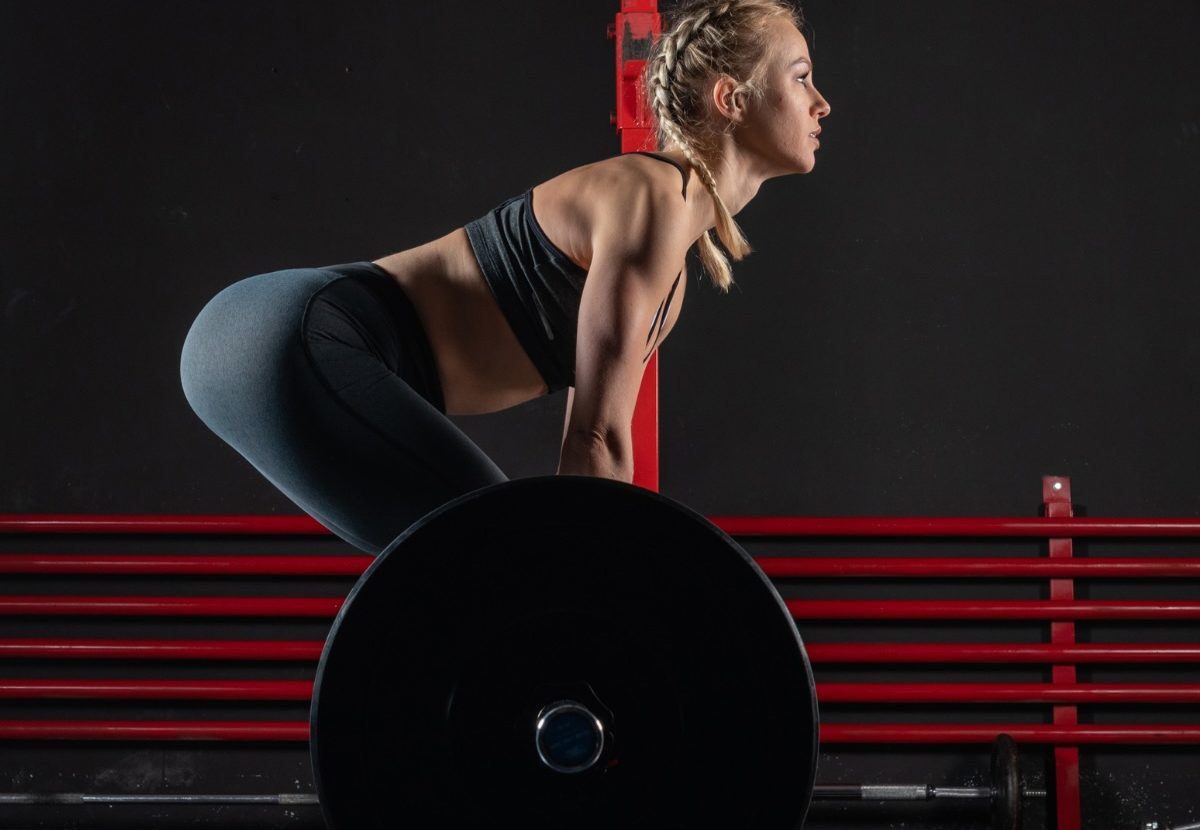
Bar drift—the barbell slides away from your shins during the pull—forces the spine to round and cranks up shear on the lower back. Building lower-back capacity with a back extension machine helps the erectors resist that rounding under load. Switching to a hex (trap) bar centres the load between your feet, keeps your torso more upright, and takes the extra stress off your lumbar spine.
Place chalk on your shins. If you finish a warm-up set without white marks on socks or skin, the bar travelled forward.
Trap-bar Romanian deadlifts (2 × 8, slow eccentric) groove hip-hinge mechanics while teaching you to keep the load close.
Centering the load with a hex-style implement reduces spinal shear while you refine your hinge mechanics; the Atlantis lever deadlift machine or trap bar are tools we particularly like for this
If you train in the east GTA, booking a trusted physiotherapist in Scarborough can fast-track the process.
Run today’s check-screen-fix drills in your next workout. Consistency is key.
If symptoms persist, a complimentary 30-minute movement assessment can fast-track a personalised fix—HealthMax Physiotherapy offers one at no charge.
Share your success: tag @AtlantisStrength and @HealthMaxPhysio so we can celebrate your bulletproof PRs.
Ready to lift without pain? We’ll see you in the clinic—then back on the platform, stronger than ever.
– Article written by the team at Health Max Physio.
Blog
 March 31, 2026
 March 31, 2026
 March 16, 2026