


-
Resources
Resources
-
The Atlantis DNA
The Atlantis DNA
Resources
The Atlantis DNA
Blog
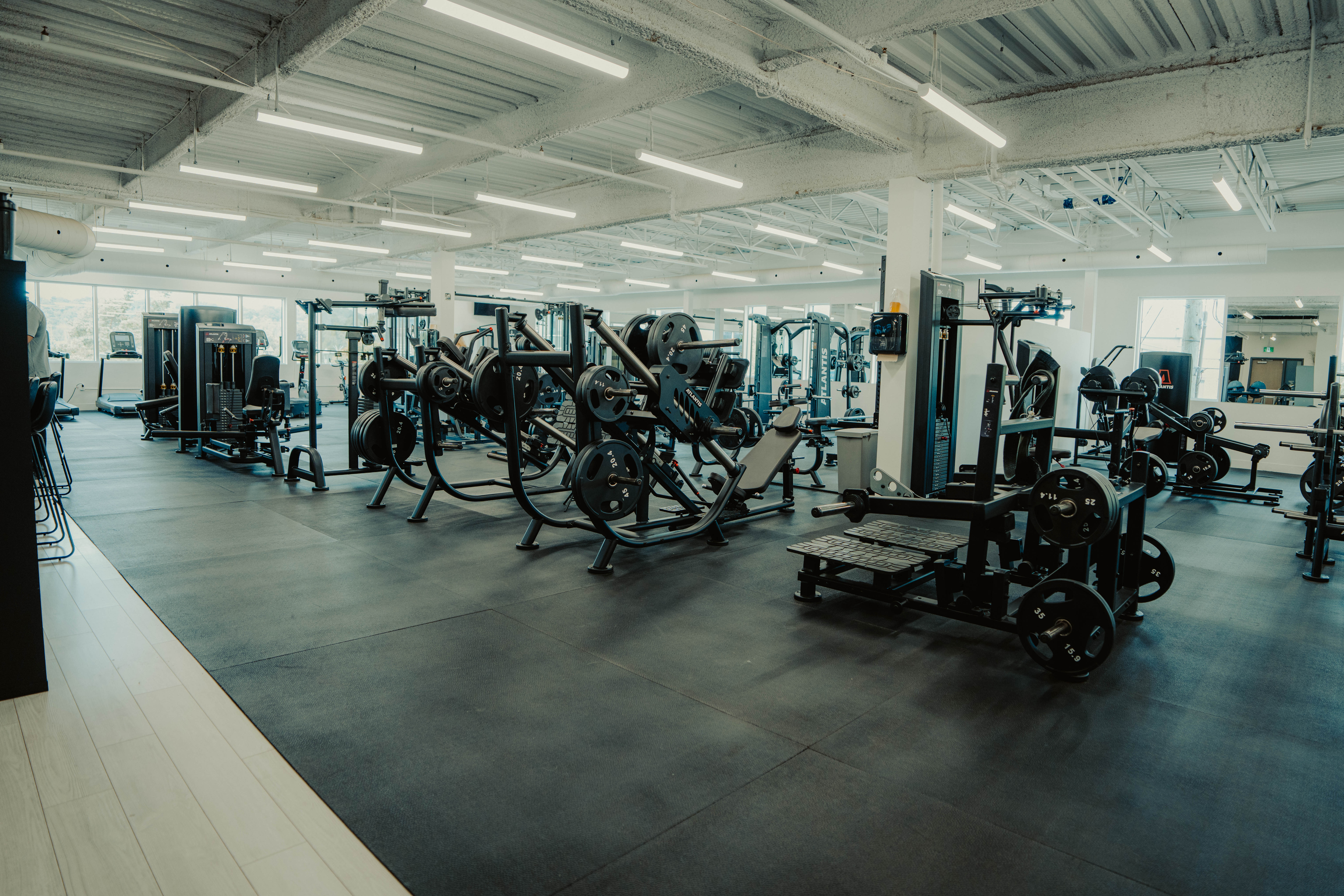
To start a gym the right way in 2026, start by defining your niche, creating a solid business plan, and choosing an accessible location. Then, the most critical step is to choose the right commercial gym equipment.
In this article, we’ll outline all the steps required to start your gym while making sure you have a solid business plan.
To build your target persona, focus on their fitness goals, the challenges they face, and what motivates them. Think about the type of people you want to attract – their age, income, and lifestyle. What do these potential members need and want from a gym?
Consider the community you’re serving. Are you looking to cater to busy professionals, fitness enthusiasts, or those new to working out? By understanding your target customers, you can tailor your services and gym equipment to meet their specific needs and offer the best commercial gym equipment for them.
Before you open your doors, it’s smart to check out what other gyms in your area are doing. Look at their pricing, what services they offer, their gym facilities and how they keep their members engaged. This research will help you figure out where you can stand out in the local fitness industry.
Picking the right spot for your gym is crucial. You want a place that’s easy to find and get to. Think about how many clients you can handle and choose a space that fits. The size of your building will affect your costs, so balance that with how many members you need to be profitable.
When you’re on the hunt for the best location, consider parking, public transport links, and nearby businesses. Is it in a busy area where people will see your gym? Can you put up signs that catch the eye? The right place can make a big difference in attracting and keeping members.
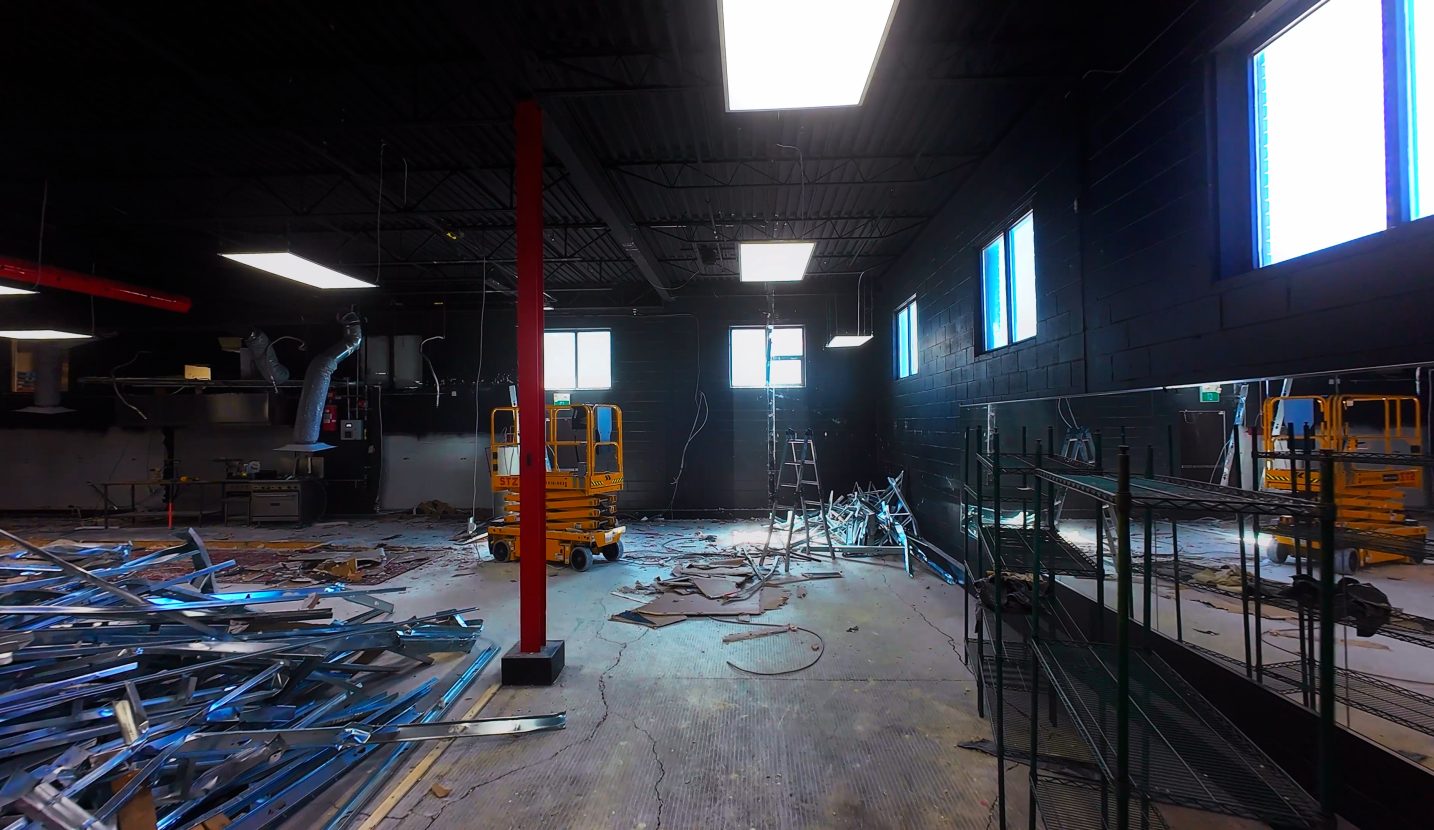
When outlining your visions and goals, ask yourself, what do I really want?
In 2025, the gym industry is expected to generate around CAD $5.8 billion in revenue. If you want to be part of this number, you’ll need to plan exactly how your commercial gym will drive revenue. Here are the key revenue streams we usually see in a commercial gym:
But the one that will really make the biggest impact is membership. Here’s a sample of how you might structure your offerings:
Basic membership:
Mid-tier membership:
Premium membership:
To stay competitive, research what other gyms in your area are charging. You want to offer fair prices while still making money. Consider introductory rates or family discounts to attract new members.
Your USP is what sets you apart from other gyms. It’s the reason people will choose your facility over the competition. To find your USP, ask yourself:
Maybe you’re focusing on a specific type of fitness, like CrossFit or yoga. Or perhaps you’re catering to a particular group, such as seniors or new parents. Whatever it is, make sure it aligns with your brand identity and attracts the right clients.
For example, if you’re opening a women-only gym, your USP might be a safe, supportive environment for fitness. If you’re targeting busy professionals, 24/7 access and quick, effective workouts could be your selling point.
Think about what will make your gym stand out in a crowded market. Your unique approach will guide your marketing efforts and help you connect with your ideal members.
Determine your budget by setting clear financial projections for rent, utilities, and advertising. It’s smart to keep your business finances separate from personal ones. Consider opening dedicated bank accounts and credit cards for your gym. This separation helps with tracking expenses and simplifies tax reporting.
Your budget should account for the size of your gym and potential growth. As an owner, you’ll need to make decisions about initial investment and ongoing costs. Planning ahead can help you avoid financial surprises down the road.
In Canada, opening a gym typically requires around CAD 150,000 and CAD 800,000. It includes:
Some of these expenses are one-time costs, while others will be part of your ongoing budget. Equipment maintenance, for example, is something you’ll need to plan for regularly. Insurance is another recurring expense that’s essential for protecting your business.
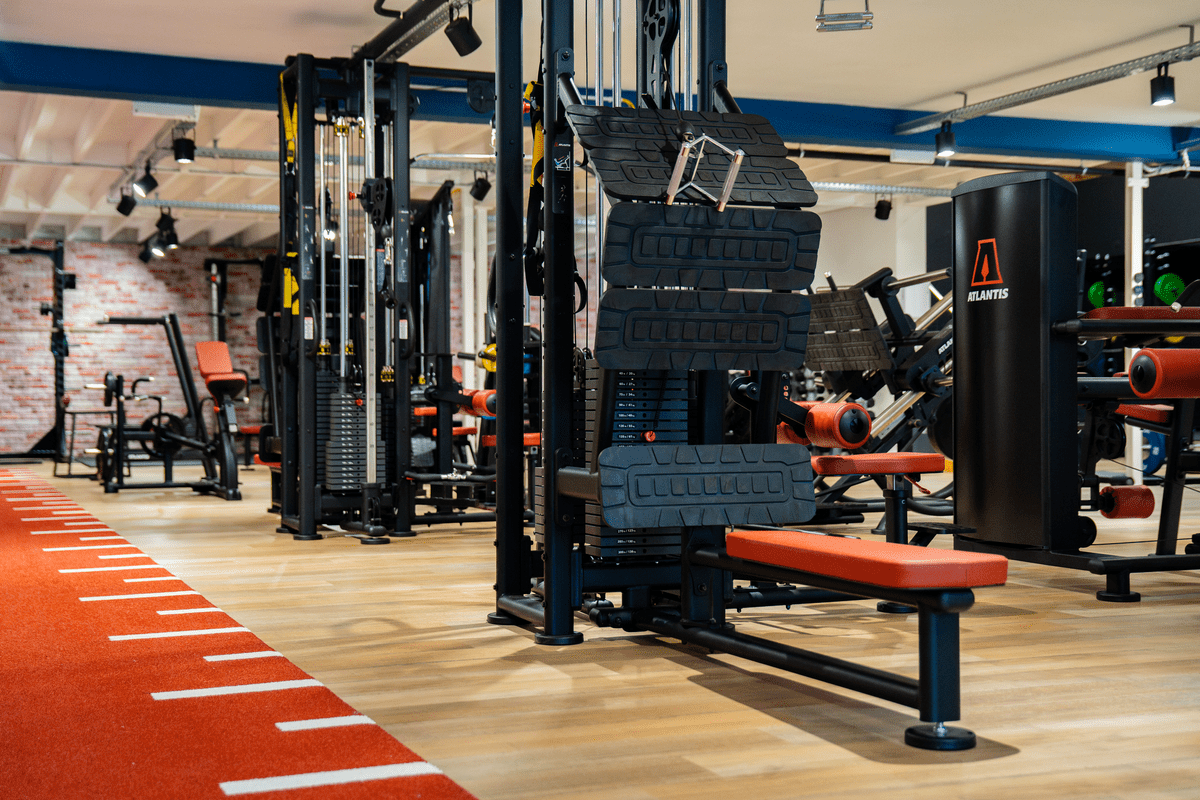
The most critical step is opening a gym is choosing the right equipment. Too often, entrepreneurs invest in flashy or unnecessary machines at the expense of essential tools and long-term profitability. This is because they forget about what the goal should be.
The goal should always be clear: building a gym specialized in strength development. The equipment required for this type of training isn’t just the most effective, it’s also the most versatile.
In most cases, you’ll be left with 3 setup options, and with the help of our friends at Institut FPP, we built different setups you’ll need to start your gym:
🥇 Best suited for: Private studios, semi-private or one-on-one training setups
🎯 Goal: Maximize space with minimal yet essential equipment, focusing on efficiency and versatility.
✅ The power rack safely supports squats, bench presses, pull-ups, and other key strength moves.
✅ The conditioning machine provides low- or high-intensity cardio without taking much space.
✅ Dumbbells and barbells work every major muscle group with reliable versatility.
✅ A pulley system adds movement variety and complements the power rack for guided exercises.
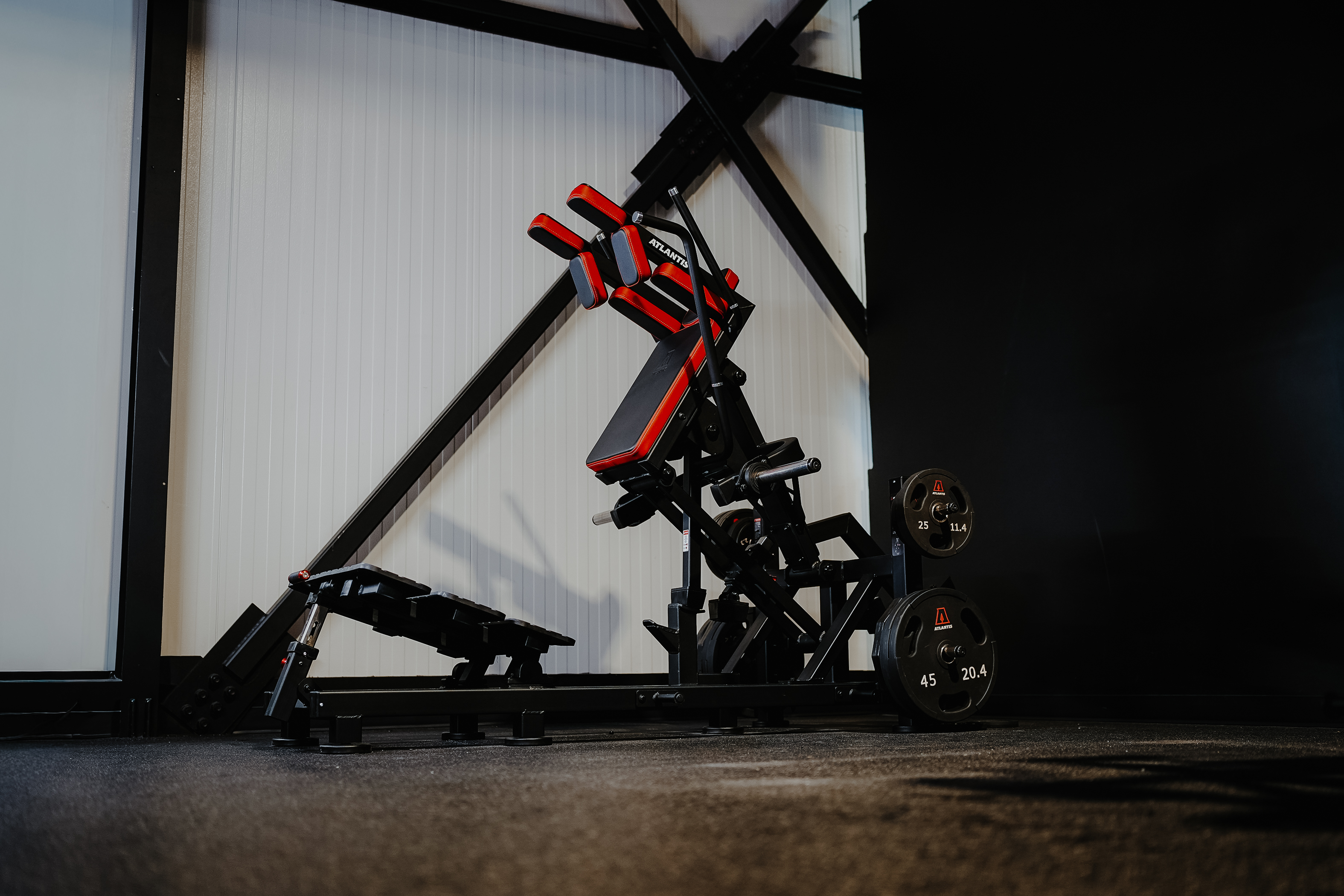
✅ The hyperextension machine strengthens the posterior chain and improves activation for lifts like deadlifts.
❌ Limited access to isolation/guided machines, which can be quite important when working with a larger training area.
❌ You can train a maximum of 2–4 people at a time.
🥇 Best suited for: Neighborhood gyms or functional centers (100–150 active members), semi-private performance gyms
🎯 Goal: Offer a mix of free weights, select guided machines, and training sessions using commercial-grade equipment.
✅ Includes all the benefits of Setup 1.It includes all the essential tools and equipment needed to train clients effectively.
✅ Allows for semi-private group training (up to 10 people), making it ideal for small group sessions.
✅ Offers a variety of cardio equipment to target different energy systems and support overall fat loss goals.
❌ Requires at least 1000–1500 sq. ft. of space
❌ Limited access to isolation/guided machines, which can be quite important when working with a larger training area.
❌ Not ideal for group classes larger than 10 people unless a dedicated room is available.
❌ Depending on your setup, you may not have enough space to add one or two offices for client consultations or to have your own private workspace.
🥇 Best suited for: Gym with bodybuilding center area, strongman, Olympic lifting, etc. (2,500+ sq. ft.), facility designed to accommodate all types of clients,providing multiple offices for professionals to rent or for your staff to use.
🎯 Goal: Deliver a premium client experience, with a wide range of equipment and comprehensive physical conditioning services.
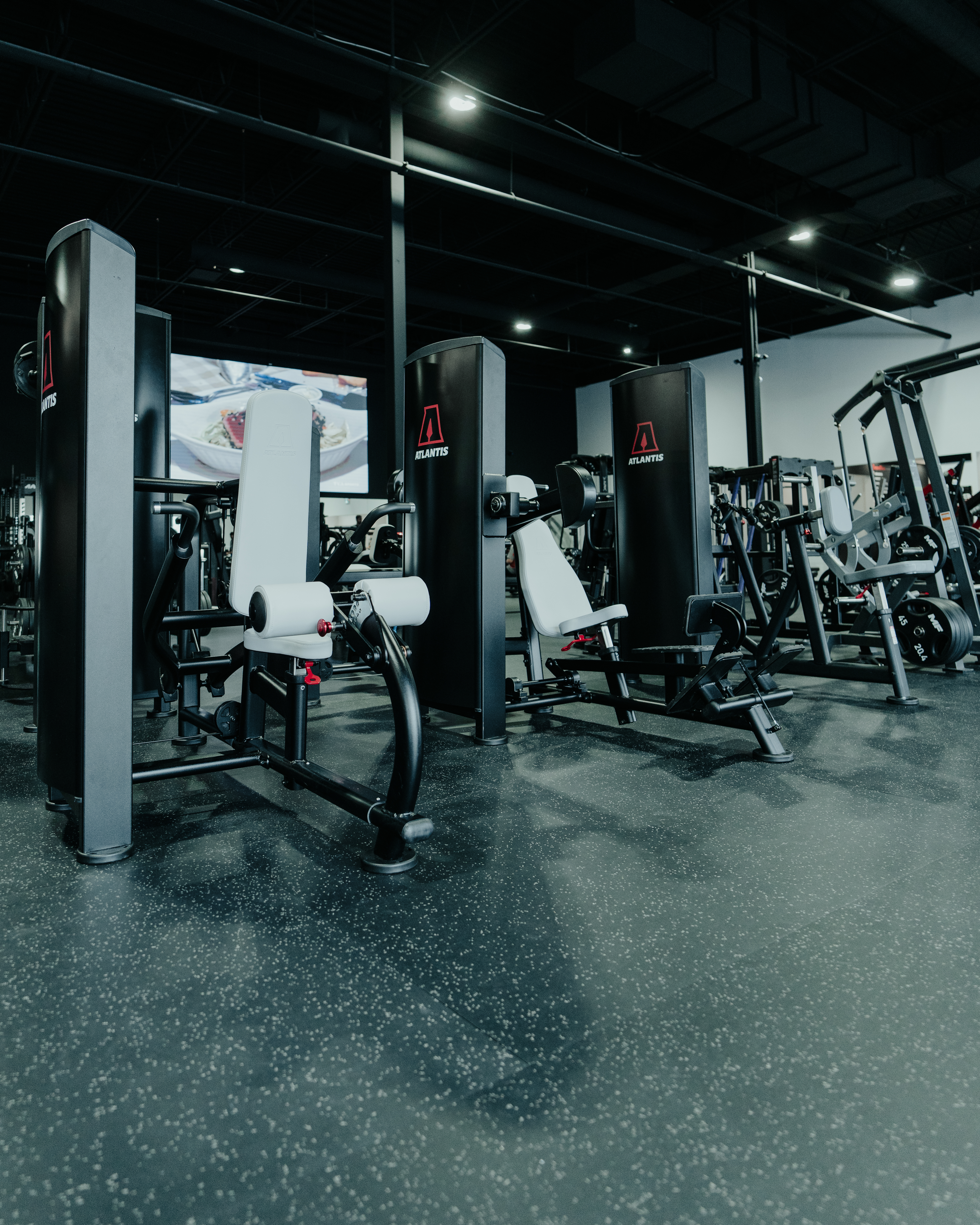
Isolation/Guided machines
💡Piece of Advice: When selecting multiple machines that target the same muscle group, aim to choose ones with different resistance profiles and varying movement angles. For example, a biceps Scott curl machine and an incline biceps curl machine both target the biceps, but they recruit the muscle fibers differently due to variations in joint positioning and resistance throughout the range of motion.
Additional specialty zones
✅ Includes all the benefits of Setup 2
✅ Can serve all levels of clients, from beginners to elite athletes
✅ Enhances client retention by offering a premium and specialized training environment.
✅ Supports multiple revenue streams, including space rental, subcontracting, workshops, and especially group training.
Starting a gym requires substantial capital investment. In Canada, expect to spend between CAD 150,000 and CAD 800,000 depending on factors like location, size, and equipment quality. Ongoing expenses such as rent, utilities, and insurance must be factored into your budget.
We recommend exploring various financing options and creating a thorough business plan to manage these costs effectively. Your plan should account for both initial setup and long-term operational expenses.
Successful gyms implement diverse strategies to grow their membership base. You can offer flexible membership options, introduce new revenue streams like personal training sessions and group classes, and invest in staff development to ensure exceptional customer service.
Social media campaigns and loyalty programs can boost engagement and retention. We suggest focusing on creating a welcoming atmosphere that keeps members coming back.
Canadian gym owners must navigate several legal obligations. You’ll need specific permits, licenses, and insurance coverage. Compliance with the Canada Consumer Protection Act is mandatory. Zoning regulations and workers’ compensation coverage are crucial considerations.
We advise consulting local bylaws to ensure your gym operates within legal parameters. Staying informed about these requirements helps prevent potential legal issues down the road.
Selecting appropriate gym equipment involves balancing quality, functionality, and safety. Prices vary widely from basic to advanced gear. You should prioritize vendor reliability and comprehensive product warranties.
We recommend choosing equipment that aligns with your target clientele’s needs and preferences. This approach helps create a gym environment that appeals to your intended market and supports member satisfaction.
Blog
 March 31, 2026
 March 31, 2026
 March 16, 2026