


-
Resources
Resources
-
The Atlantis DNA
The Atlantis DNA
Resources
The Atlantis DNA
Blog
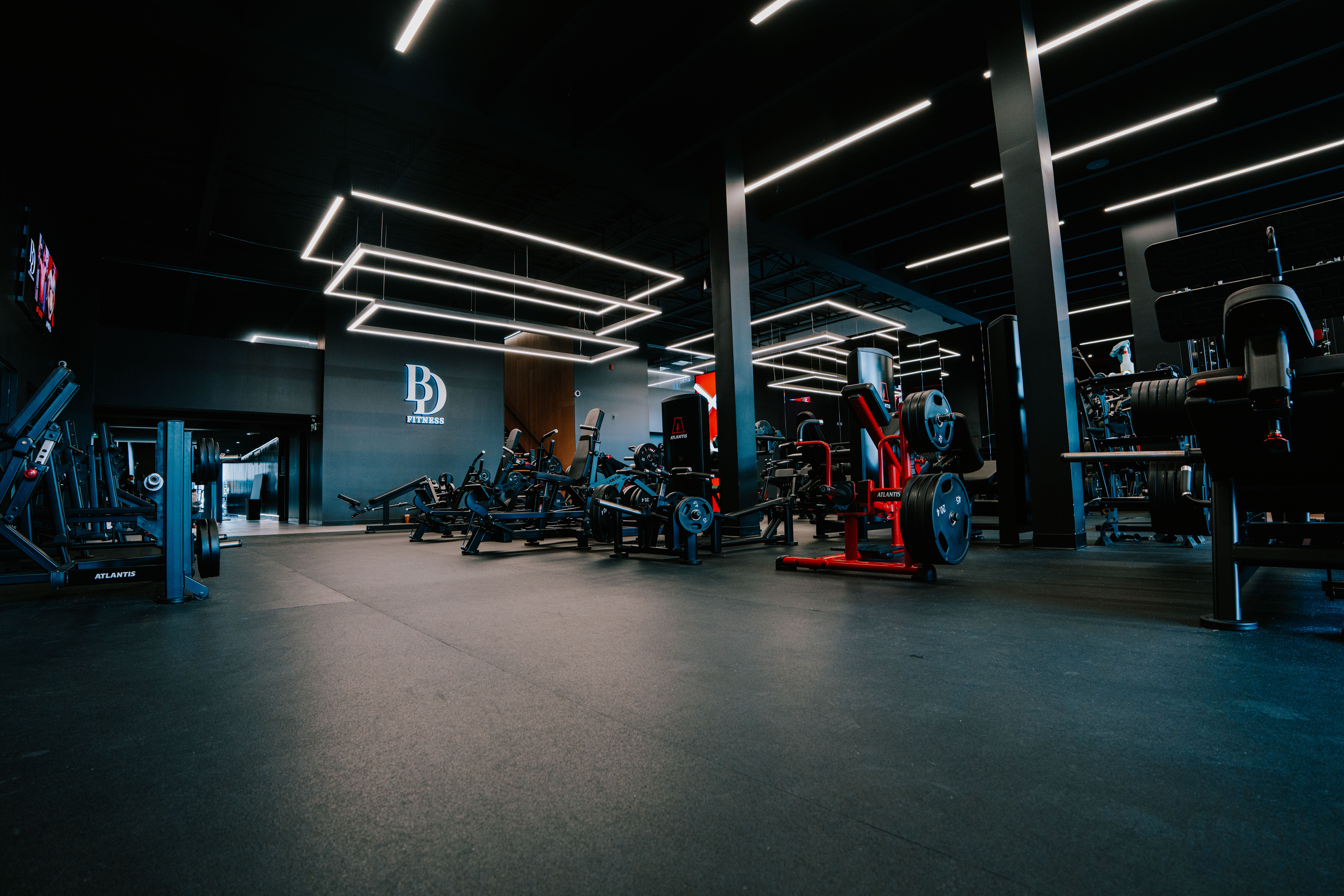
Opening a gym in Canada in 2026 will cost you anywhere from CAD $50,000 to several million, depending on the type and size of facility you’re planning. For a mid-size gym of 3,000-5,000 square feet, you’re looking at an investment of CAD $150,000 to $600,000. We know that’s a wide range, but don’t worry, we’ll break it down for you.
Starting a small boutique or personal training studio can be an excellent way to enter the fitness industry with lower startup costs. These compact spaces typically require an investment of CAD $50,000 to $150,000. The smaller footprint offers advantages like reduced rent and utilities, making it easier to manage expenses.
We recommend focusing your budget on essential commercial gym equipment for personal training sessions.
For a mid-size gym or health club, you’re looking at an investment range of CAD $150,000 to $600,000. This type of facility requires more extensive build-out, a wider variety of equipment, and additional staff to serve a larger membership base.
Your budget should account for cardio machines, strength training equipment such as those offered by Atlantis Strength, and free weights to cater to diverse fitness needs. It’s wise to plan for moderate expansions and set aside a contingency fund for unexpected expenses.
Offering a mix of amenities can help attract and retain members in this competitive size category.
Opening a large or “mega” gym comes with a hefty price tag, ranging from CAD $800,000 to several million. These expansive facilities often include pools, saunas, or cafés, which significantly increase the initial investment. Large gyms need to offer a wide range of activities and advanced amenities to justify their scale and attract a broad membership base. Your investment should cover state-of-the-art equipment, multiple specialized workout areas, and possibly childcare facilities or spa services.
The location of your gym plays a big role in determining your expenses. In major Canadian cities, you’ll likely face higher rent fees. The size of your space and local market rates will also affect your monthly costs. Depending on your area, you might find landlords offering improvement allowances or requiring lease deposits. These factors can significantly impact your overall expenses.
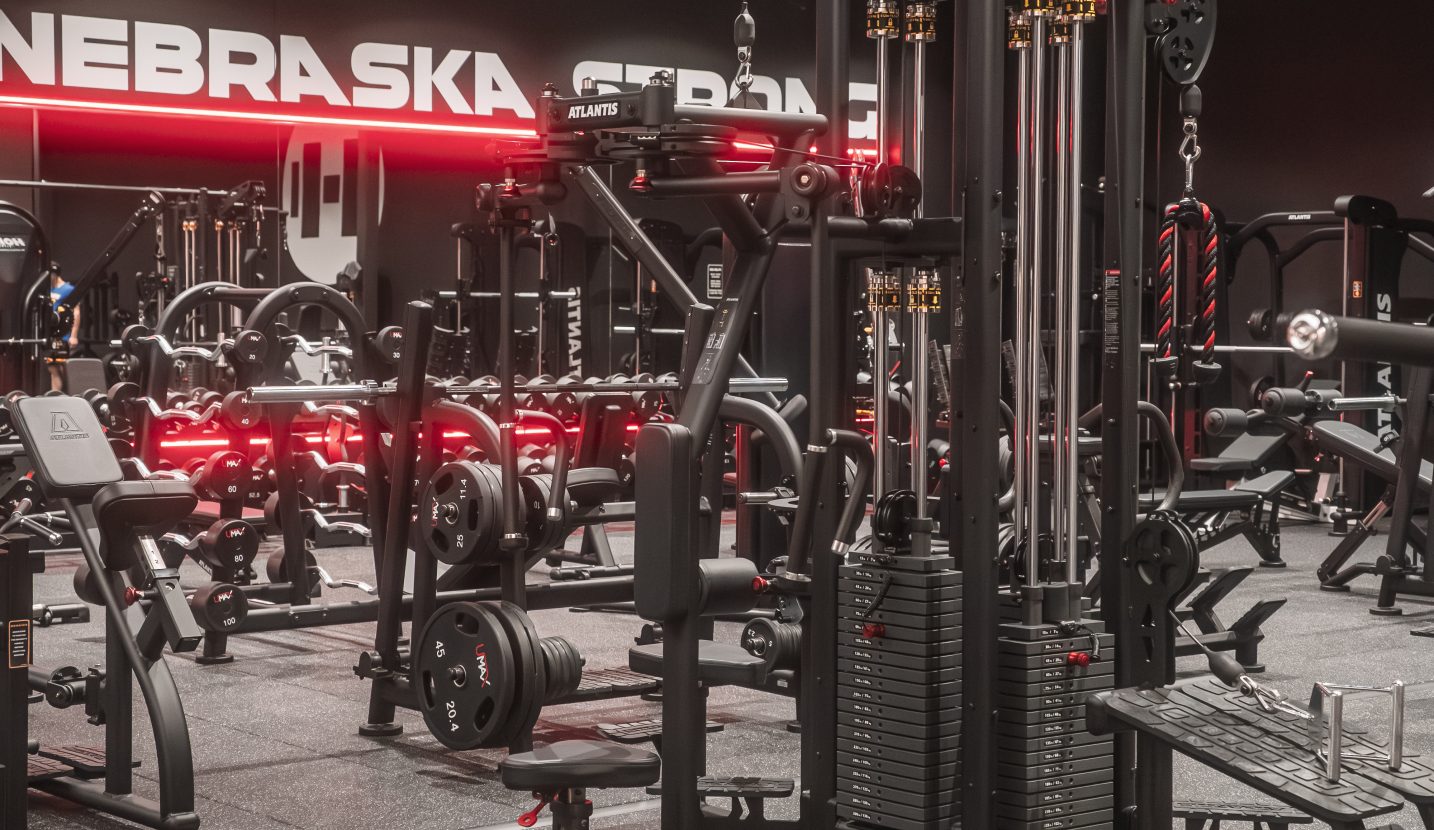
The choice of your equipment is one of the main factors that will determine your initial investment. Commercial gym equipment costs can vary widely. For a low-budget setup, you might need CAD $50,000 to $100,000. Mid-level gyms often require CAD $100,000 to $250,000, while high-end facilities can exceed CAD $500,000. Choose wisely based on your budget and the machines you need for your gym’s focus.
There are some important legal requirements for opening a gym in Canada. Here’s what to consider:
These requirements take time and money, so plan accordingly.
Planning your staffing needs is an ongoing process. You’ll likely need personal trainers, front desk personnel, and a cleaning staff. Wages will vary based on experience and location.
Technology can help streamline your operations. Consider these options:
These systems often come with monthly fees and installation costs. However, they can provide valuable information and improve the member experience.
To attract members, develop a solid marketing plan that includes a strong brand identity, promotional materials, a grand opening event, targeted digital advertising strategies, and active engagement with the local community.
A typical marketing budget ranges from CAD $5,000 to $25,000. Your marketing efforts will guide potential members to your gym and support your success.
Other factors to include in your budget:
We recommend setting aside 10-20% of your budget as a contingency fund. This will help you handle unexpected costs or delays, such as those caused by code compliance issues. Whether you’re opening a boutique studio or a full-service gym, careful planning in each of these areas will set you up for success.
For commercial gyms, monthly rent and utilities represent significant ongoing costs. We need to consider that rent payments are typically fixed, while utility expenses can fluctuate based on usage and seasonality. The type of build-out in your gym space can greatly influence utility consumption. For example, a gym with many high-powered machines or a pool will likely have higher electricity and water bills.
To run a successful gym, you’ll want to keep a close eye on these overhead costs. They’re involved in your monthly operating expenses and can impact your bottom line. Tracking these costs closely helps you budget effectively and make informed decisions about pricing and operations.
Recurring wage expenses are a major part of running a gym business. We’re talking about regular paychecks for your team, plus any benefits you offer. Don’t forget about the costs involved in ongoing training to keep your staff up-to-date and maintain high service quality.
Here’s a quick rundown of some recurring costs you’ll face:
These expenses can vary depending on your market and the size of your new business. For example, insurance costs might be higher in areas with more frequent natural disasters. Software costs typically depend on the features you need and the number of users.
Setting competitive membership fees is key to attracting and retaining members. We suggest considering tiered pricing options to cater to different customer needs and budgets. For example, you might offer a basic plan, a premium plan with additional perks, and perhaps a pay-per-visit option.
Implementing transparent billing policies is crucial for member satisfaction. Consider offering autopay options for convenience, but make sure members clearly understand the terms. You’ll also want to have a fair policy in place for handling late payments or cancellations.
Ready to equip your new gym with top-notch strength equipment? Look no further than Atlantis. With over 40 years of experience, we offer innovative designs and unmatched durability. Our 250+ product line caters to various fitness needs, from boutique studios to mega gyms.
Let’s talk about customizing the perfect setup for your facility!
Starting a new gym often means running at a loss for several months before breaking even. The time to reach profitability varies, depending on factors like member retention, pricing strategies, and operational efficiency. We recommend creating realistic financial forecasts and setting aside a contingency fund to prepare for potential delays in achieving profitability.
By planning ahead and staying focused on your goals, you’ll be better positioned to weather the initial challenging period.
Opting for used or refurbished equipment can significantly reduce your startup investment. We suggest thoroughly vetting suppliers, carefully inspecting equipment quality, and considering warranty or maintenance requirements before making purchases. This approach allows you to trim your budget while still providing functional and reliable equipment for your members. Remember to balance cost savings with the need for durable, safe machinery that will withstand regular use.
Many gym owners fall into overspending traps, such as splurging on unnecessary amenities or underestimating marketing budgets. Overlooking licensing requirements or safety regulations can lead to costly fixes later. To avoid these pitfalls, we advise carefully managing real estate choices, build-out expenses, staffing decisions, and insurance costs.
Failing municipal inspections due to oversight can result in expensive overruns, so it’s crucial to stay informed and compliant from the start.
Opening a gym requires several key legal documents, including permits, insurance, and specific municipal or provincial licenses. Zoning approvals and safety inspections are mandatory before you can open your doors. We strongly recommend checking with local authorities to confirm the exact regulations in your area. Securing proper liability coverage is also essential to protect your business. By addressing these requirements early, you’ll avoid potential legal issues and create a solid foundation for your gym.
Blog
 March 31, 2026
 March 31, 2026
 March 16, 2026